Whatsapp: +447599352109


{{ variable.name }}
When you hear the name ROLEX, you immediately think of precision, luxury, and status. But before you commit to one of their mechanical watches, it's worth taking a closer look at what you're actually getting. This review is for those who want to make an informed decision without the marketing hype.
ROLEX mechanical watches are renowned for their automatic movements, often built in-house and certified as chronometers. The brand claims exceptional accuracy, durability, and a certain cachet that few others can match. But is the price justified? Let's break down the key aspects.
The heart of any mechanical watch is its movement. ROLEX uses calibers like the 3230 and 3235, which feature a Parachrom hairspring and high-efficiency escapement. These are COSC-certified, meaning they have undergone rigorous testing for precision. In practice, most ROLEX watches run within -2/+2 seconds per day, surpassing many competitors. However, brands like Omega and Grand Seiko also offer impressive accuracy at lower price points. The question is whether that extra precision matters to you in daily use.
ROLEX uses 904L stainless steel, which is more corrosion-resistant and has a brighter luster than the 316L steel used by most others. Their Oyster cases are known for robustness, with screw-down crowns and solid link bracelets. The sapphire crystal is virtually scratch-proof. That said, some find the bracelets a bit heavy, and the polished center links can show hairline scratches easily. Alternatives like Tudor offer similar build quality at a lower cost, but they lack the same brand prestige.
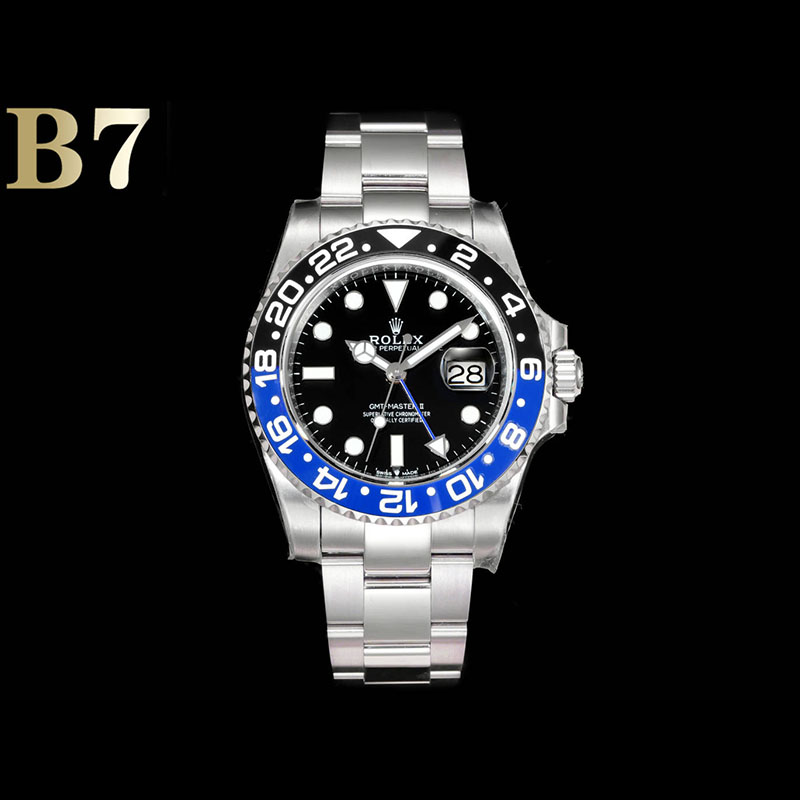
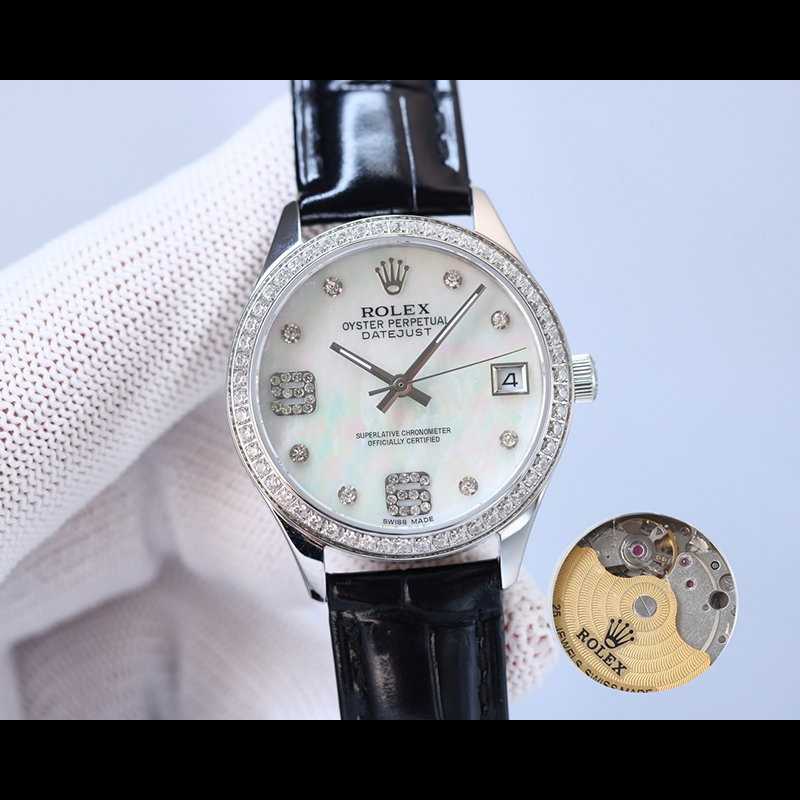
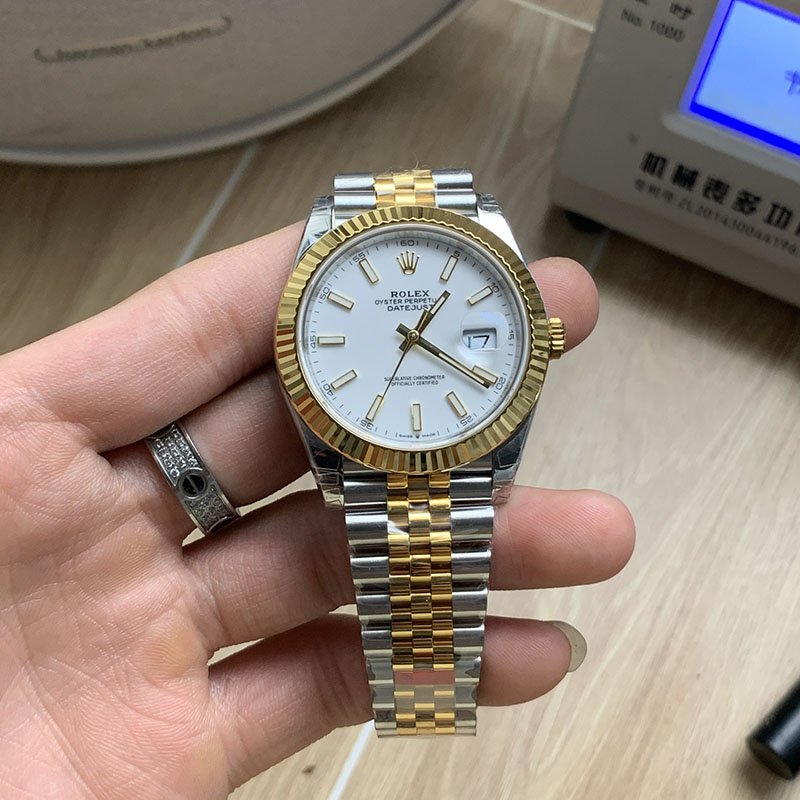
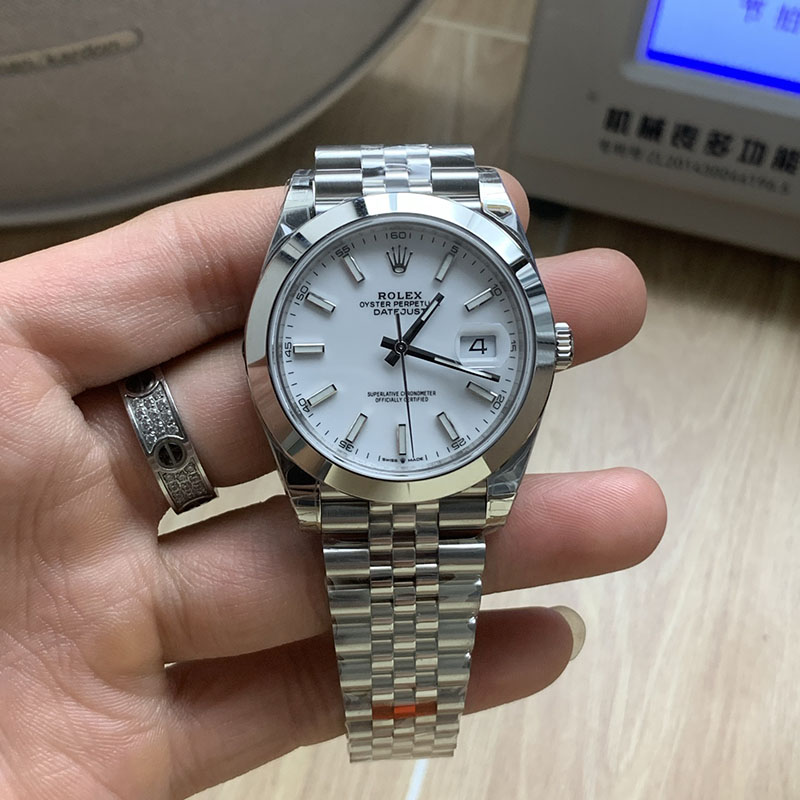
ROLEX offers iconic designs like the Submariner, Datejust, and Daytona. Each has distinct aesthetics that have remained remarkably consistent over decades. This timelessness is a double-edged sword: you get a classic look that never goes out of style, but also a design that may feel too conservative for some. If you prefer modern or avant-garde designs, other brands might appeal more.
One of ROLEX's strongest selling points is resale value. Many models appreciate over time, especially steel sports watches. However, this has led to artificial scarcity and inflated prices from grey market dealers. If you're buying as an investment, be aware that market trends can shift. For pure utility, a less hyped mechanical watch might offer better value.
ROLEX offers a 5-year warranty on new watches, and service centers are widespread. Service costs are high, but the watches are built to last decades with proper maintenance. Independent watchmakers can also service them, reducing costs. The brand's customer service is generally good, but wait times for repairs can be long.
Omega's Co-Axial movements offer similar precision and anti-magnetism at a lower price. Grand Seiko's Spring Drive combines mechanical with quartz accuracy, and their finishing is often superior. Tudor, a sister brand, uses modified ETA movements or in-house calibers with similar robustness but less prestige. If you value brand recognition above all, ROLEX wins. If you prioritize technical innovation or value, look elsewhere.
Pros: Exceptional accuracy, robust build, high resale value, iconic designs, strong warranty.
Cons: High cost, availability issues, heavy bracelets, conservative styling, expensive service.
A ROLEX mechanical watch is a solid choice if you want a reliable, precise timepiece with strong brand cachet and investment potential. However, it's not the only option. For the same money, you could get a watch with more complications, better finishing, or a unique movement. Ultimately, your decision should based on what you value most in a watch. If the intangibles of owning a ROLEX matter, you won't be disappointed. If you're purely looking for mechanical excellence per dollar, explore alternatives.
This listing for ROLEX Mechanical Watches at Shopping Yiwu offers fast shipping and clear product details for informed shopping.